


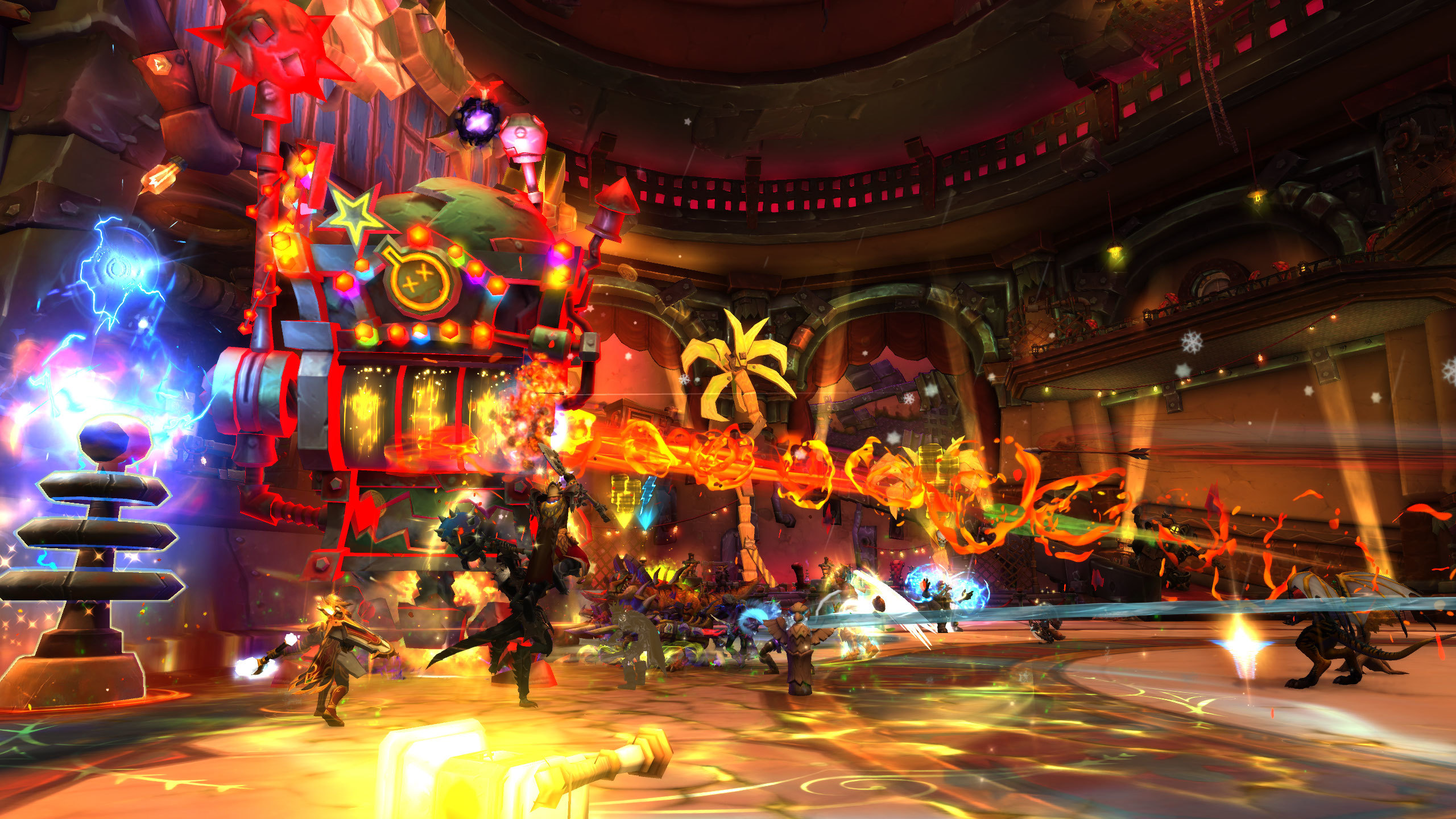
Raid learning curves have become one of the clearest dividing lines between progression teams and casual groups. While both may enter encounters with similar gear, their approach to learning determines long-term success.
The difference lies not in effort alone, but in how mistakes are processed, corrected, and integrated into future pulls.
Progression Teams Treat Wipes as Data
For progression teams, wipes are information sources. Each failure reveals positioning errors, timing gaps, or coordination issues.
This mindset accelerates learning. Adjustments are made deliberately rather than repeating the same mistakes through brute repetition.
Casual Groups Experience Slower Feedback Loops
Casual groups often prioritize completion attempts over analysis. Mistakes may be acknowledged but not systematically addressed.
As a result, learning progresses unevenly. Similar errors recur across pulls, flattening improvement curves.
Consistency Accelerates Mastery
Progression teams emphasize consistent execution over occasional strong pulls. Small improvements compound over time.
This consistency reduces volatility and builds confidence as encounters advance into later phases.
| Learning Factor | Progression Teams | Casual Groups |
|---|---|---|
| Wipe analysis | Structured review | Informal discussion |
| Error correction | Immediate adjustments | Delayed or missed |
| Execution focus | Consistency first | Peak attempts |
| Learning speed | Accelerated | Gradual |
Learning Culture Shapes Team Identity
Teams that value learning build trust and patience. Players feel supported while correcting mistakes.

This culture sustains motivation through long progression cycles and difficult encounters.
Conclusion
Raid learning curves separate progression teams from casual groups by defining how effectively mistakes are transformed into improvement.
Groups that analyze, adapt, and execute consistently progress faster than those relying on repetition alone.