


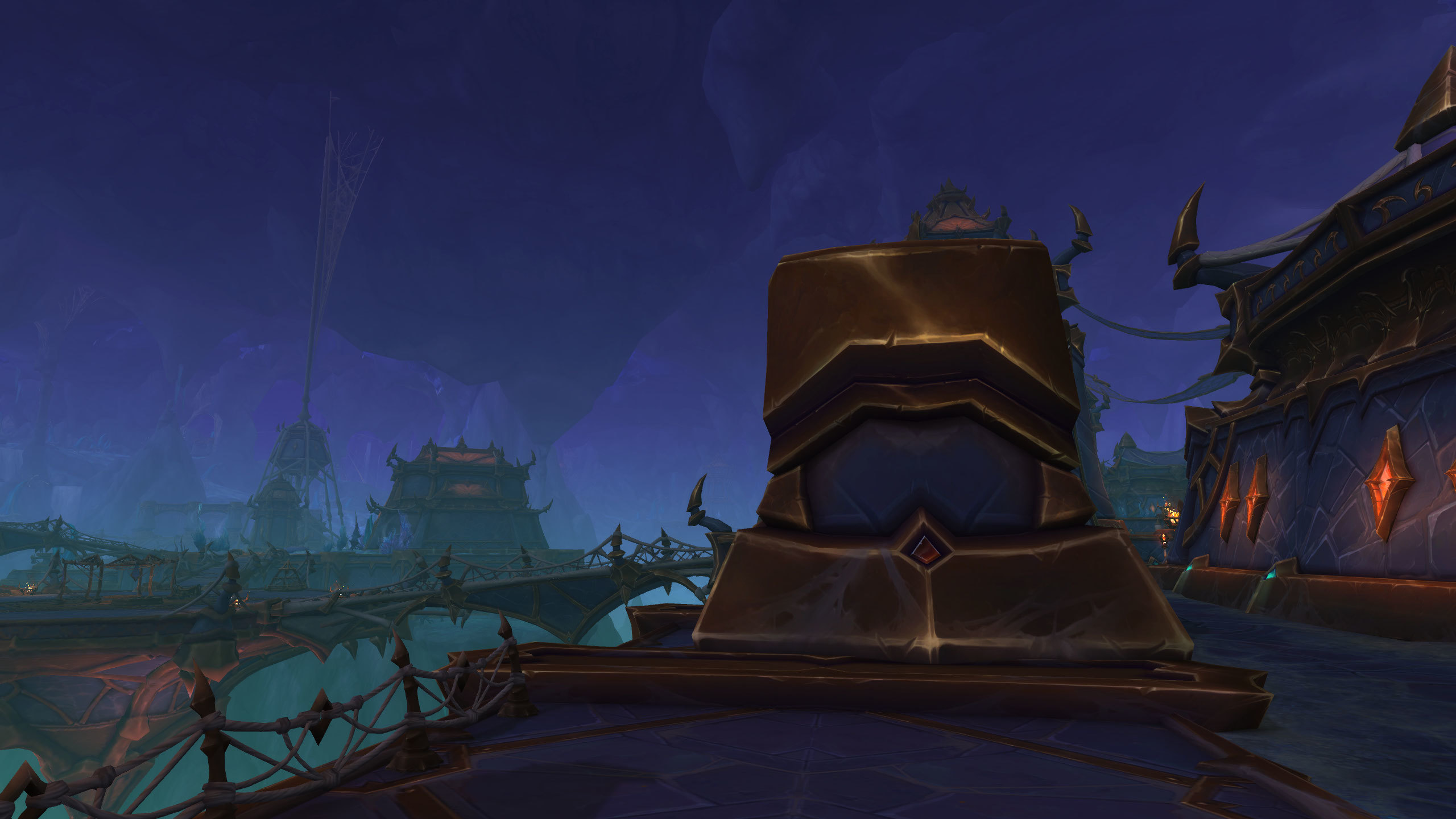
Open-world endgame content has expanded beyond optional side activities into a core gameplay pillar. These systems now offer meaningful challenge, progression, and rewards that rival instanced content.
This evolution reshapes how players structure their time. Endgame engagement no longer requires strict schedules or fixed group sizes to feel worthwhile.
Difficulty Scaling Elevates Open-World Relevance
Scalable difficulty ensures that open-world encounters remain engaging regardless of player power. Enemies demand attention, coordination, and proper execution.

This keeps zones active throughout the season, preventing them from becoming trivialized as gear improves.
Progression Paths Compete With Instanced Content
Modern open-world systems offer long-term progression tracks tied to exploration, objectives, and rare encounters.
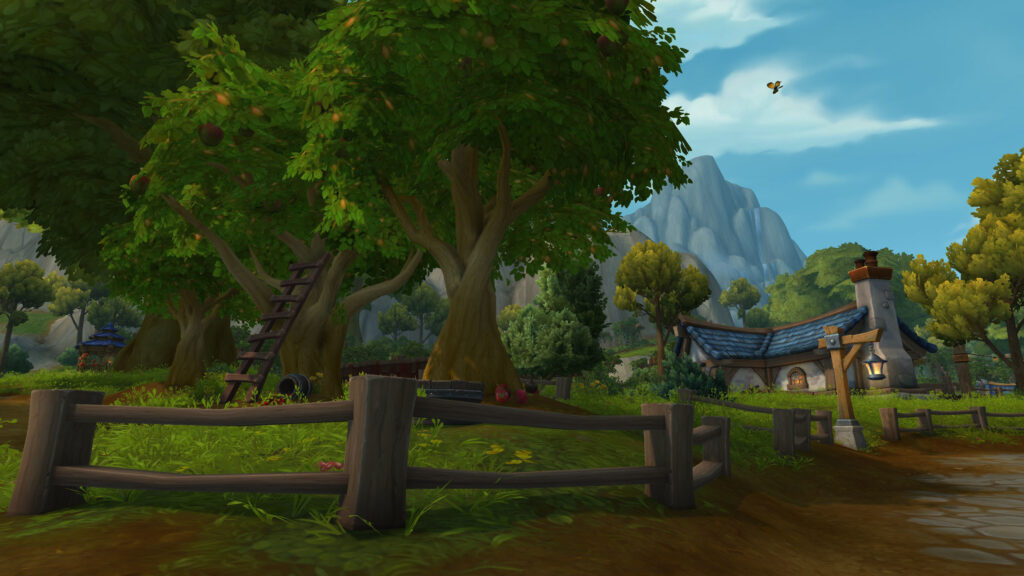
These paths provide clear goals and meaningful rewards, allowing players to advance without committing to fixed group activities.
Flexible Participation Supports Diverse Playstyles
Open-world endgame adapts to fluctuating player availability. Sessions can be short, spontaneous, or extended depending on preference.
This flexibility reduces burnout and supports consistent engagement across a wider audience.
| Endgame Feature | Open-World Benefit | Player Impact |
|---|---|---|
| Scalable enemies | Persistent challenge | Long-term relevance |
| Shared objectives | Organic cooperation | Low entry barrier |
| Progression tracks | Clear goals | Sustained motivation |
| Flexible pacing | Schedule freedom | Reduced fatigue |
Open-World Endgame Strengthens World Identity
By placing meaningful challenges directly into the world, endgame content reinforces immersion and continuity.
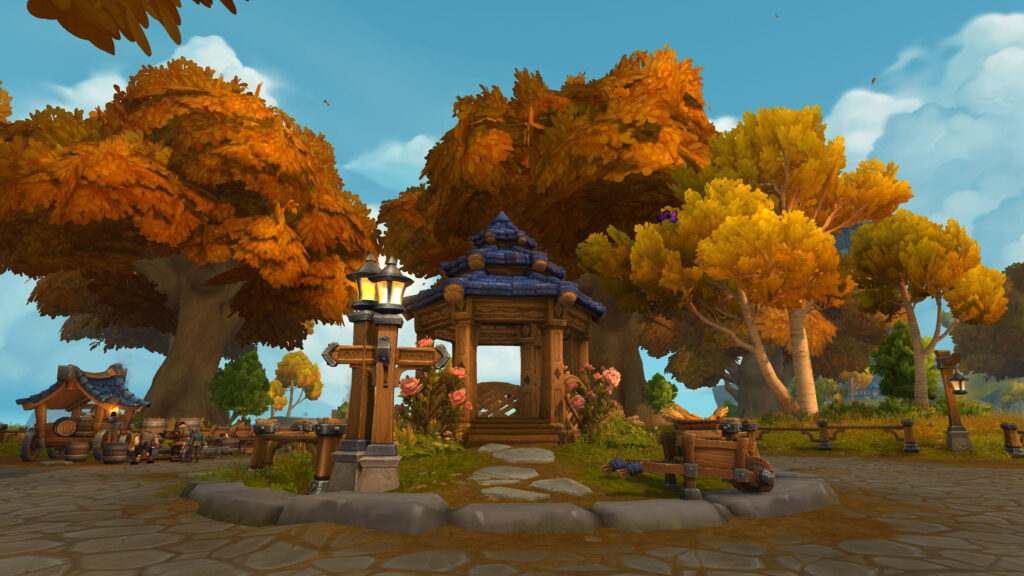
Players feel connected to the environment rather than isolated within repeated instances.
Conclusion
Open-world endgame expands into a core gameplay pillar by offering challenge, progression, and flexibility on par with instanced content.
This shift broadens endgame appeal and supports sustainable engagement across diverse playstyles.